Table of Contents
Features of the Euro 5 Gasoline Engine Flail Blade Tracked Cordless Slasher Mower
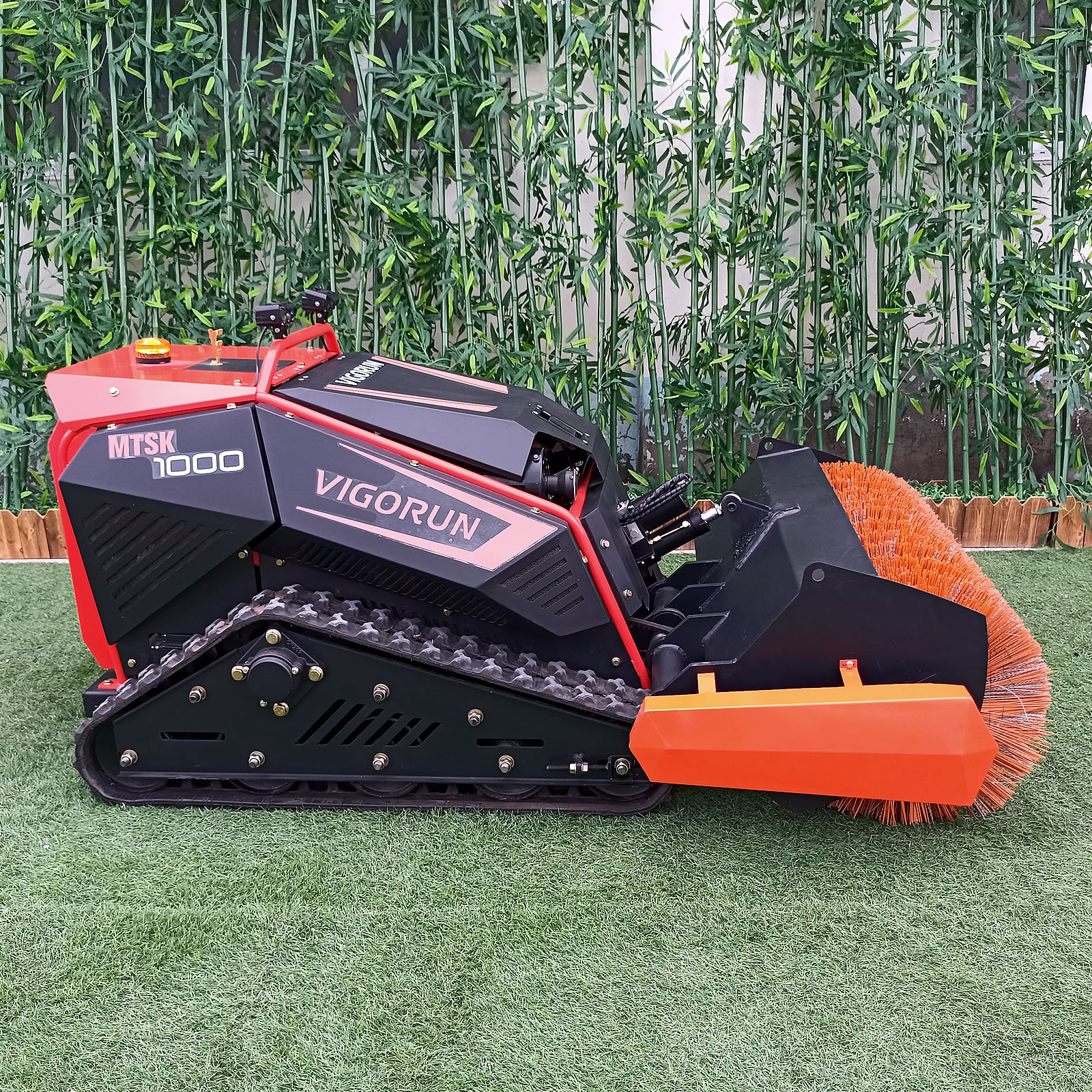 One of the standout features of this mower is its clutch mechanism, which engages only when the engine reaches a predetermined rotation speed. This design not only optimizes fuel efficiency but also enhances the overall control of the machine during operation. As a result, users can expect a reliable and consistent performance, making it suitable for different terrains and mowing conditions.
Safety is paramount when operating heavy machinery, and the Euro 5 gasoline engine flail blade tracked cordless slasher mower incorporates several features to ensure user protection. The built-in self-locking function guarantees that the machine remains stationary unless both power is engaged and throttle is applied. This prevents any unintended movement, significantly increasing operational safety for the user.
One of the standout features of this mower is its clutch mechanism, which engages only when the engine reaches a predetermined rotation speed. This design not only optimizes fuel efficiency but also enhances the overall control of the machine during operation. As a result, users can expect a reliable and consistent performance, making it suitable for different terrains and mowing conditions.
Safety is paramount when operating heavy machinery, and the Euro 5 gasoline engine flail blade tracked cordless slasher mower incorporates several features to ensure user protection. The built-in self-locking function guarantees that the machine remains stationary unless both power is engaged and throttle is applied. This prevents any unintended movement, significantly increasing operational safety for the user.
Versatility and Performance
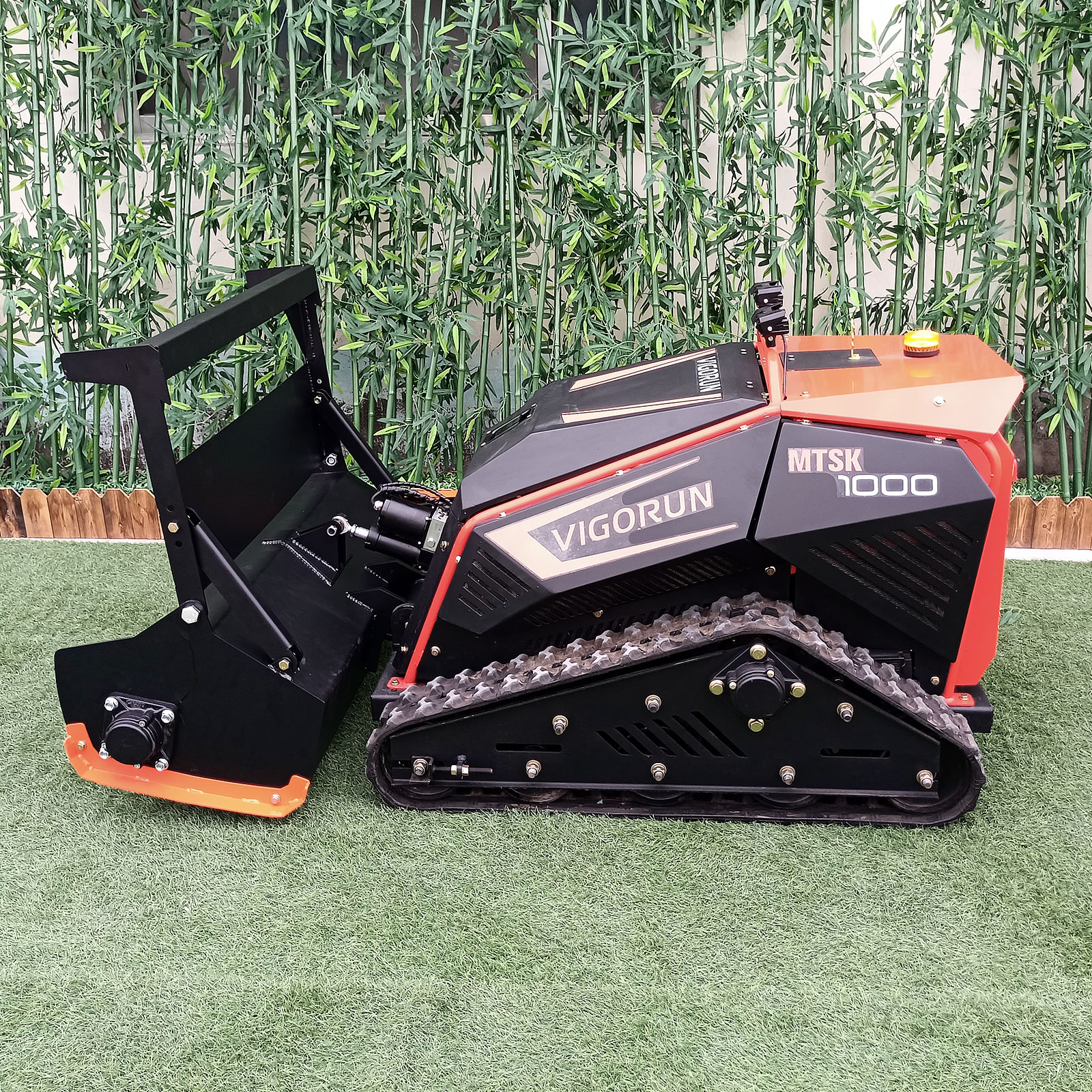
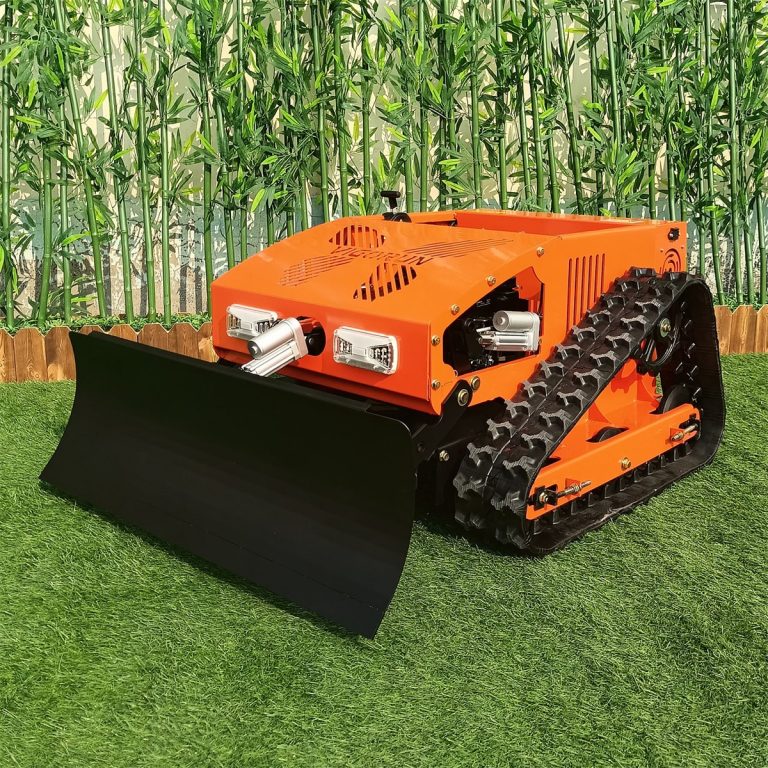
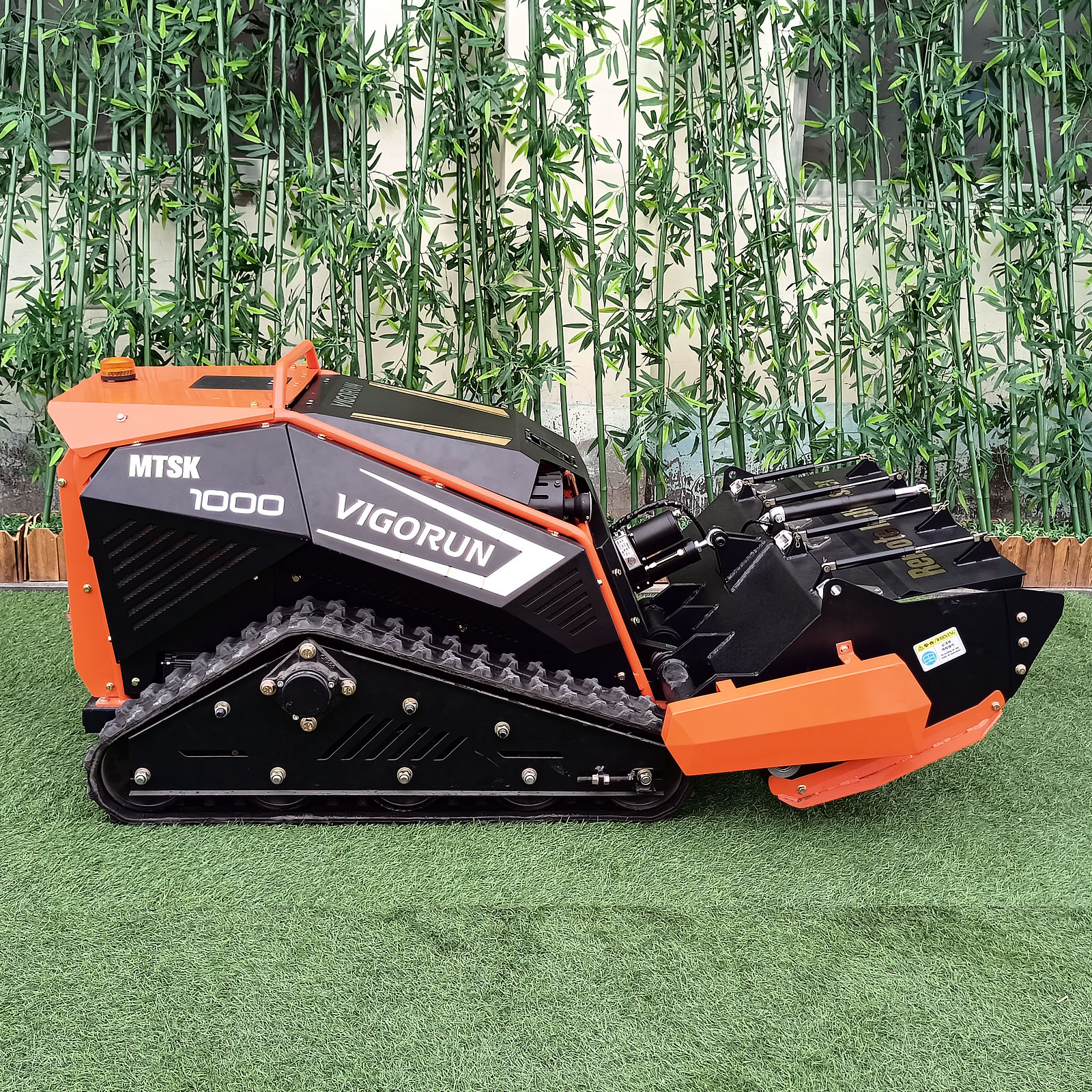 The Euro 5 gasoline engine flail blade tracked cordless slasher mower is designed for multi-functional use, featuring interchangeable front attachments that allow it to adapt to various tasks. Users can equip it with a 1000mm-wide flail mower, hammer flail, forest mulcher, angle snow plow, or snow brush. This versatility makes it ideal for heavy-duty grass cutting, shrub and bush clearing, vegetation management, and even snow removal.
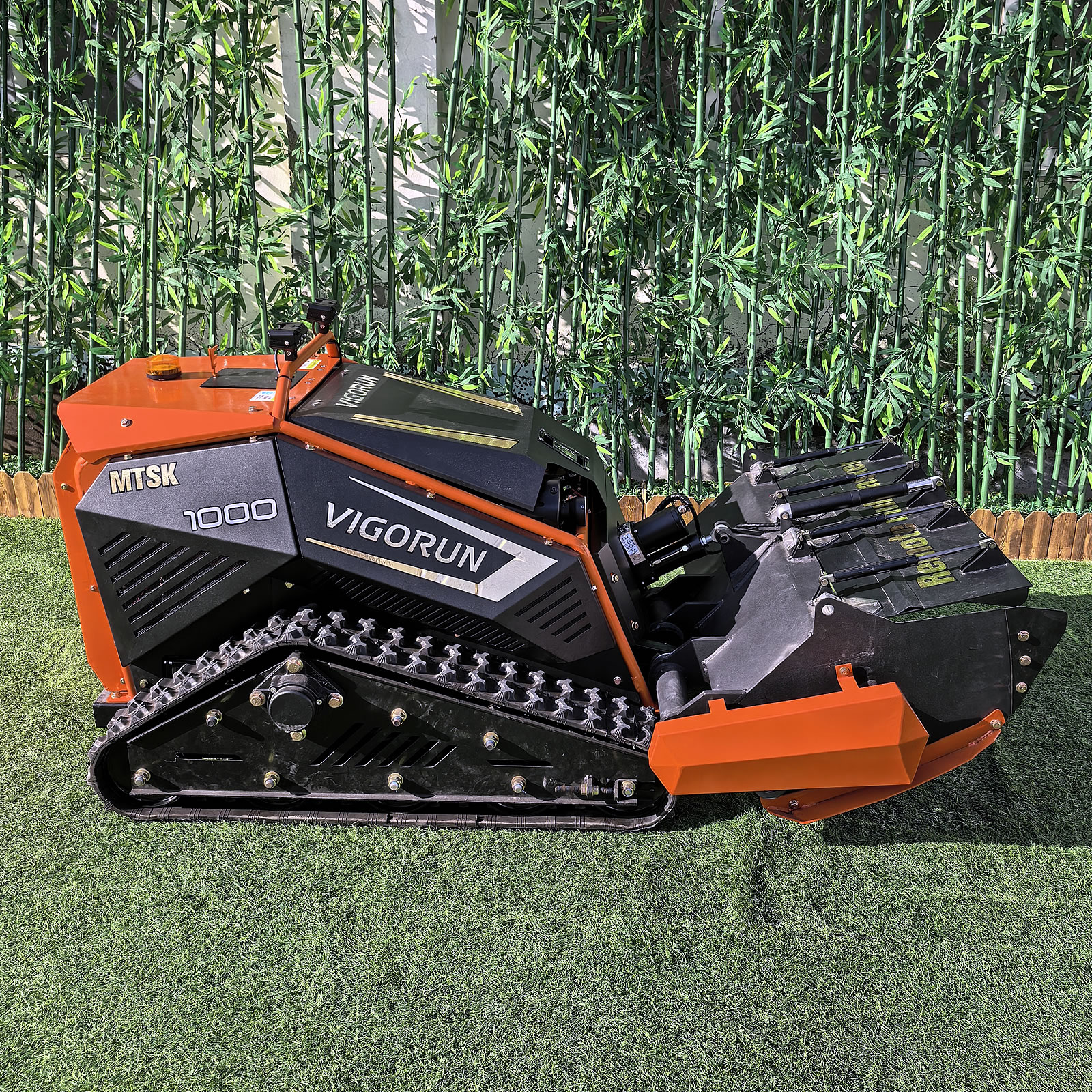 Equipped with electric hydraulic push rods, the mower offers remote height adjustment of its attachments. This feature allows operators to quickly and easily modify the working height, improving efficiency and effectiveness while tackling different types of vegetation. The ability to adapt quickly to changing conditions further enhances the machine’s usability across various environments.
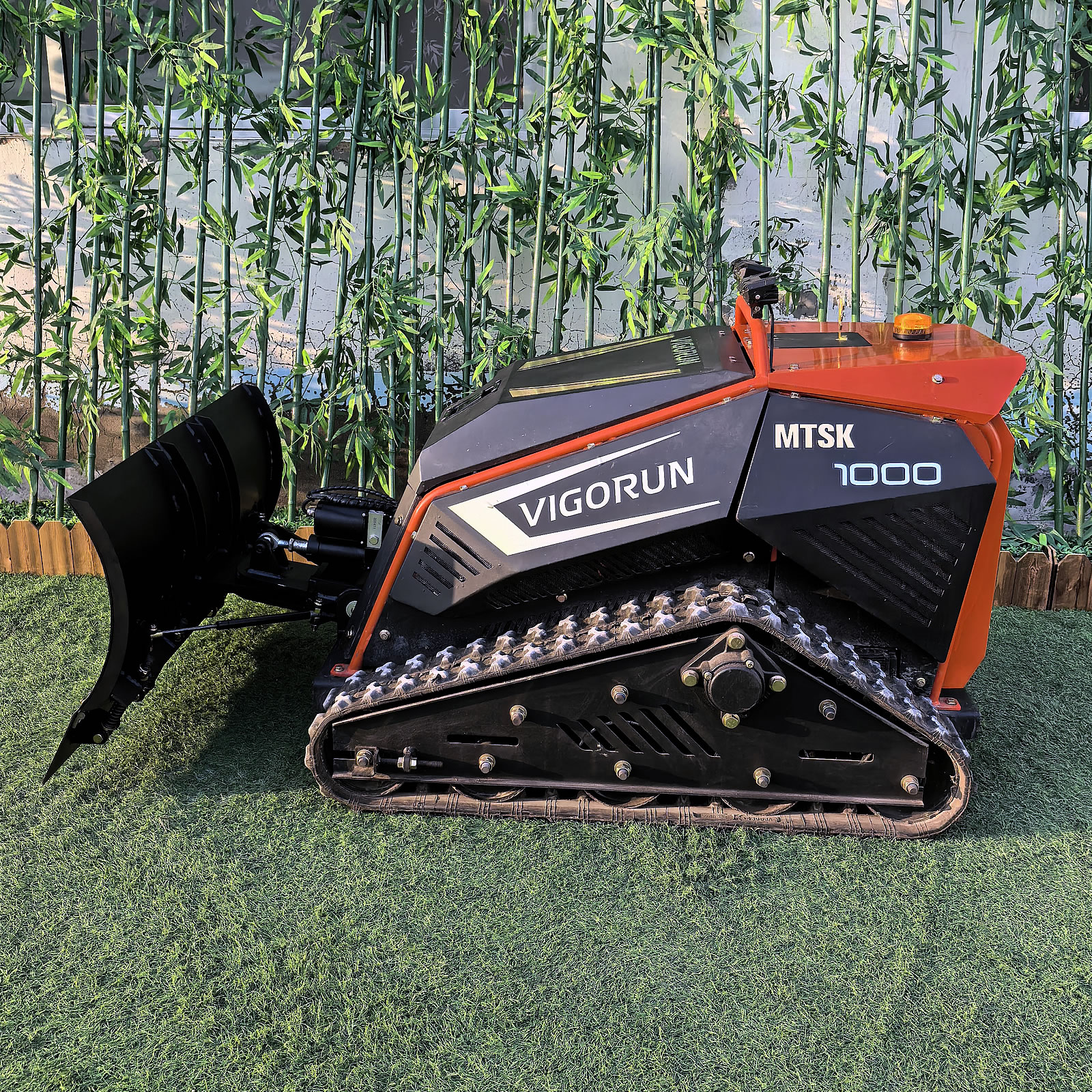 In addition to its adaptability, the intelligent servo controller on the Euro 5 gasoline engine flail blade tracked cordless slasher mower ensures precise motor speed regulation. By synchronizing the left and right tracks, the mower can travel in a straight line without constant manual adjustments. This reduces the operator’s workload and minimizes the risks associated with overcorrection, particularly on steep slopes, thereby enhancing overall safety during operation.