Table of Contents
Powerful Performance of CE EPA Strong Power Low Power Consumption Rubber Track Unmanned Flail Mower
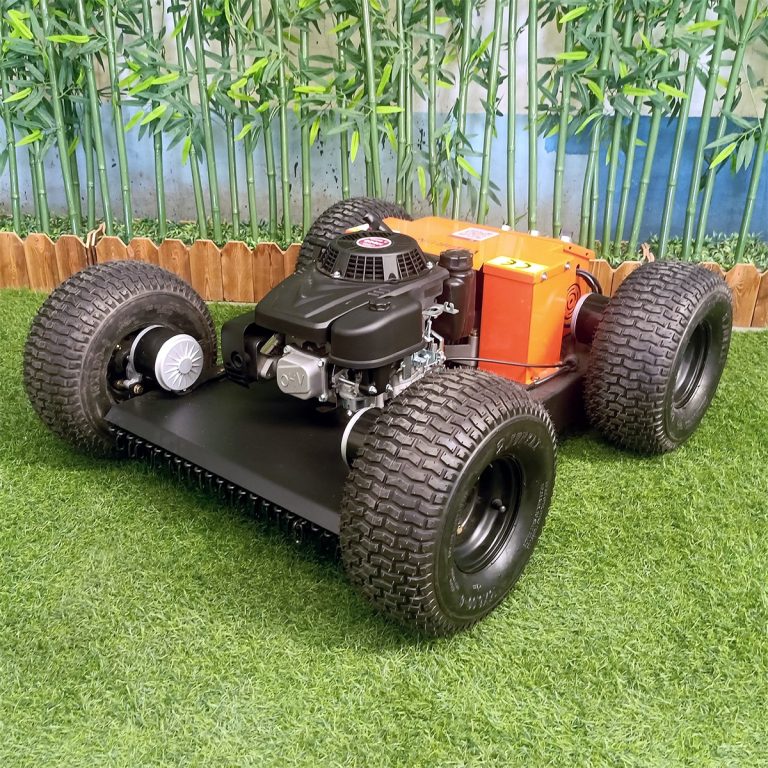
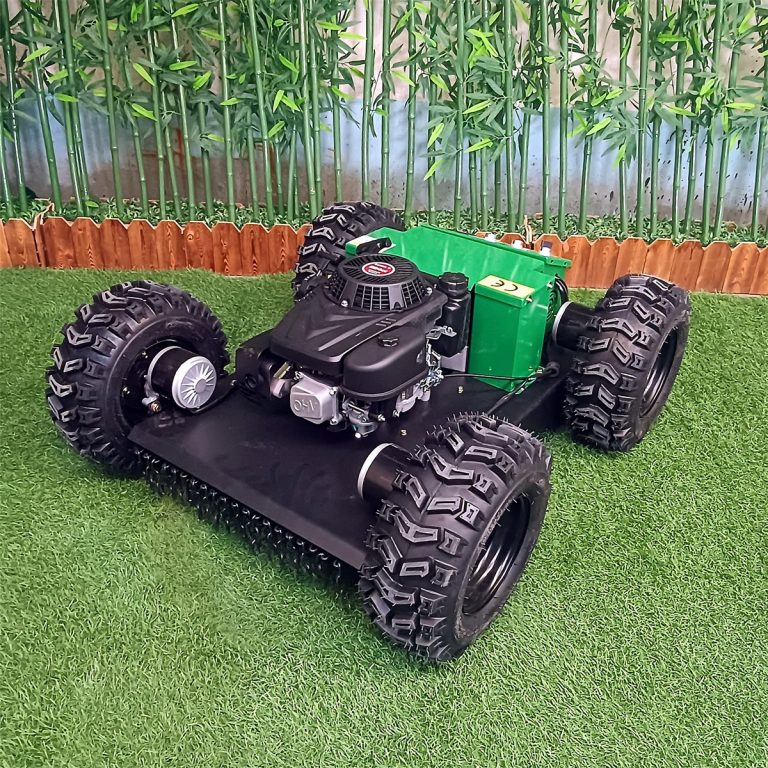
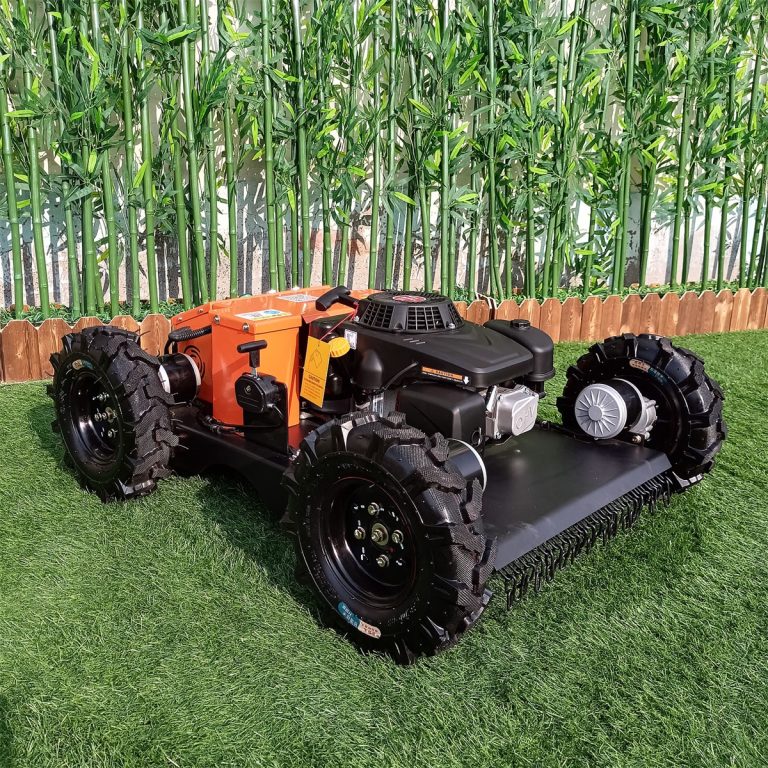
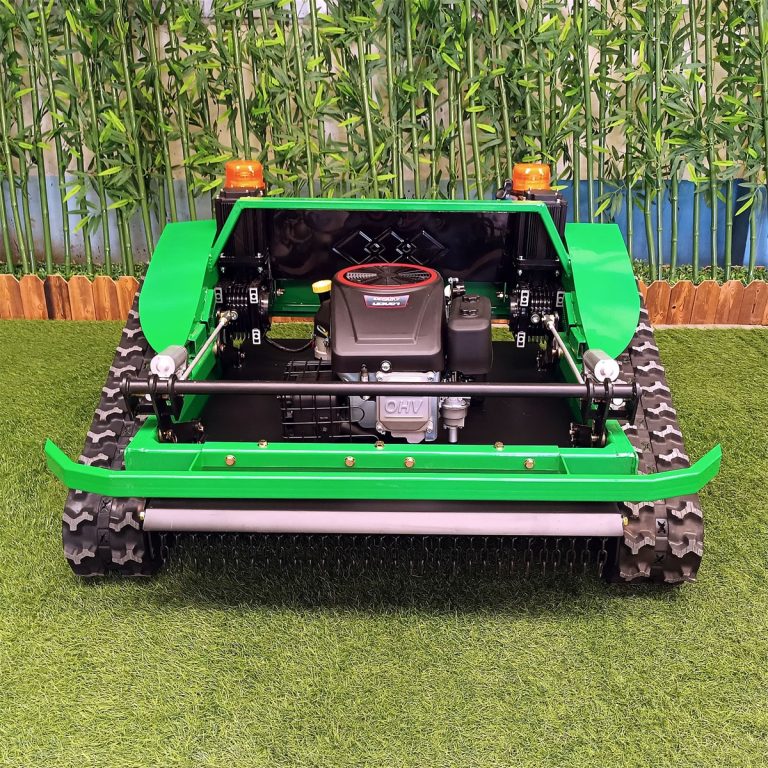
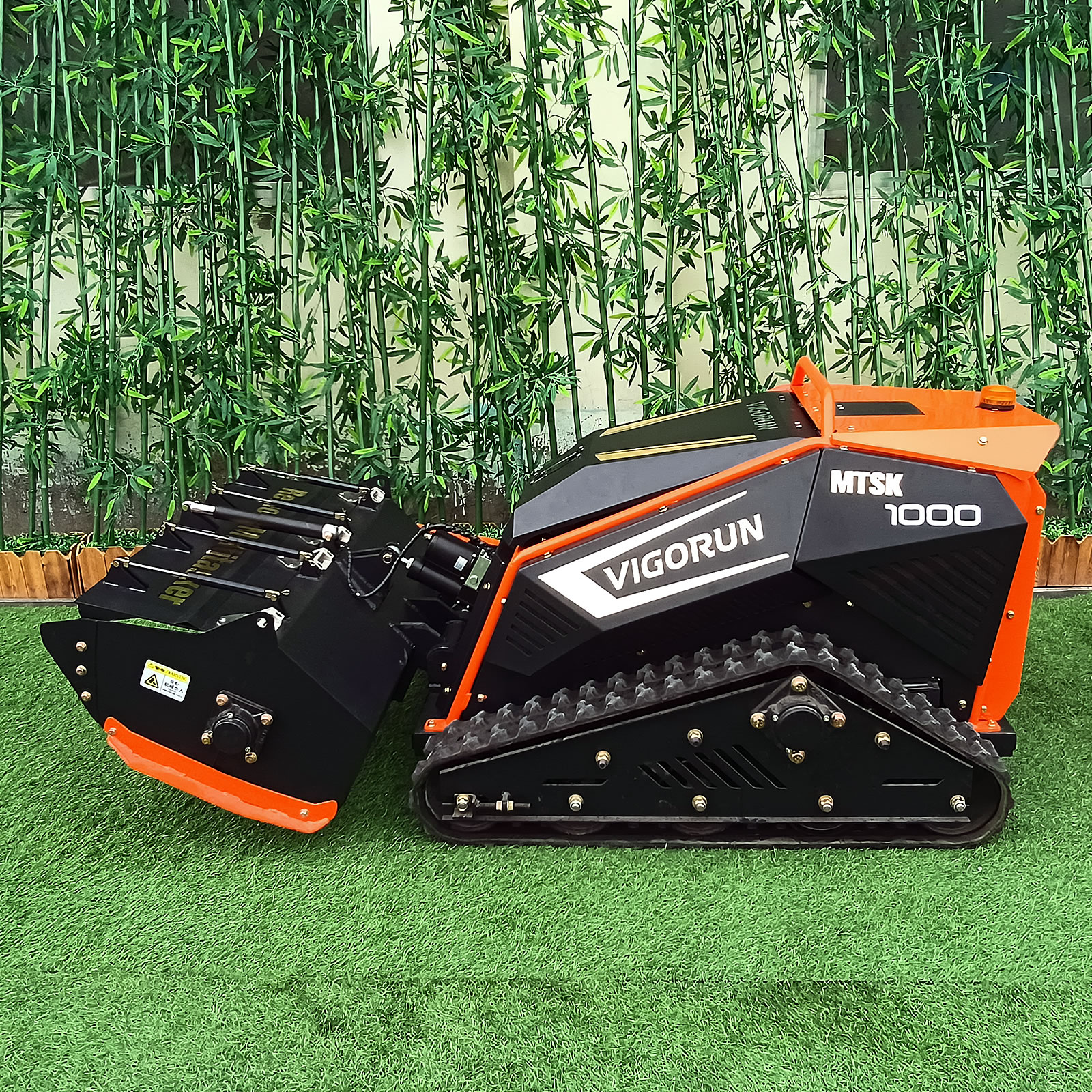 The CE EPA strong power low power consumption rubber track unmanned flail mower is equipped with a robust V-type twin-cylinder gasoline engine. This machine features the Loncin brand, model LC2V80FD, which boasts a rated power of 18 kW at 3600 rpm. With a displacement of 764cc, this gasoline engine delivers impressive performance, allowing users to tackle tough mowing tasks efficiently.
A highlight of this mower is its intelligent clutch system that engages only when the engine reaches a predetermined rotation speed. This feature not only enhances operational efficiency but also prolongs engine life by ensuring that power is used optimally. Users can expect a reliable and powerful performance every time they operate the machine, making it suitable for various applications.
The CE EPA strong power low power consumption rubber track unmanned flail mower is equipped with a robust V-type twin-cylinder gasoline engine. This machine features the Loncin brand, model LC2V80FD, which boasts a rated power of 18 kW at 3600 rpm. With a displacement of 764cc, this gasoline engine delivers impressive performance, allowing users to tackle tough mowing tasks efficiently.
A highlight of this mower is its intelligent clutch system that engages only when the engine reaches a predetermined rotation speed. This feature not only enhances operational efficiency but also prolongs engine life by ensuring that power is used optimally. Users can expect a reliable and powerful performance every time they operate the machine, making it suitable for various applications.
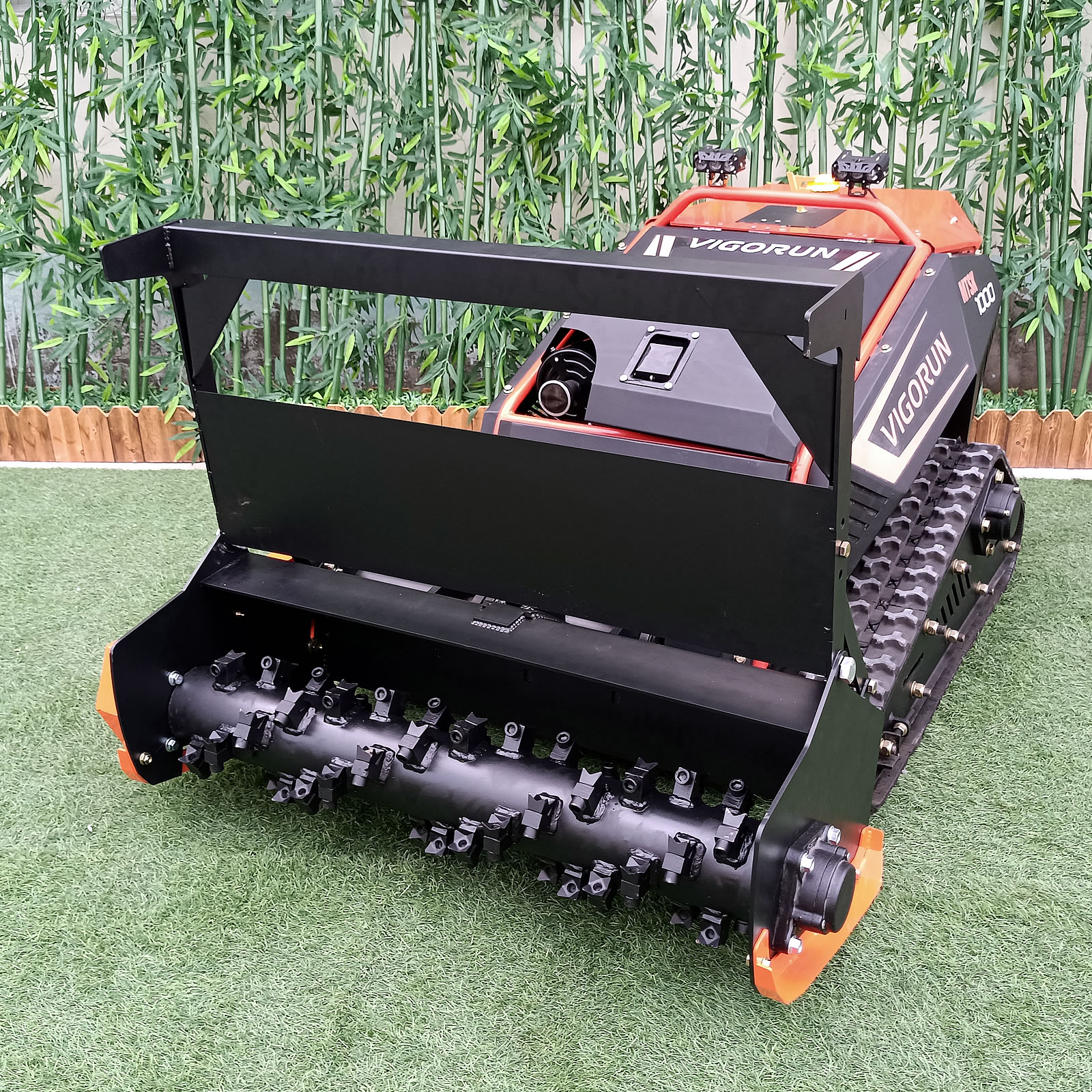 Safety is a significant aspect of the CE EPA strong power low power consumption rubber track unmanned flail mower. The machine is designed with a built-in self-locking function that ensures it only moves when both the power is on and throttle is applied. This prevents any unintended sliding and significantly enhances operational safety, a critical factor for users working on challenging terrains.
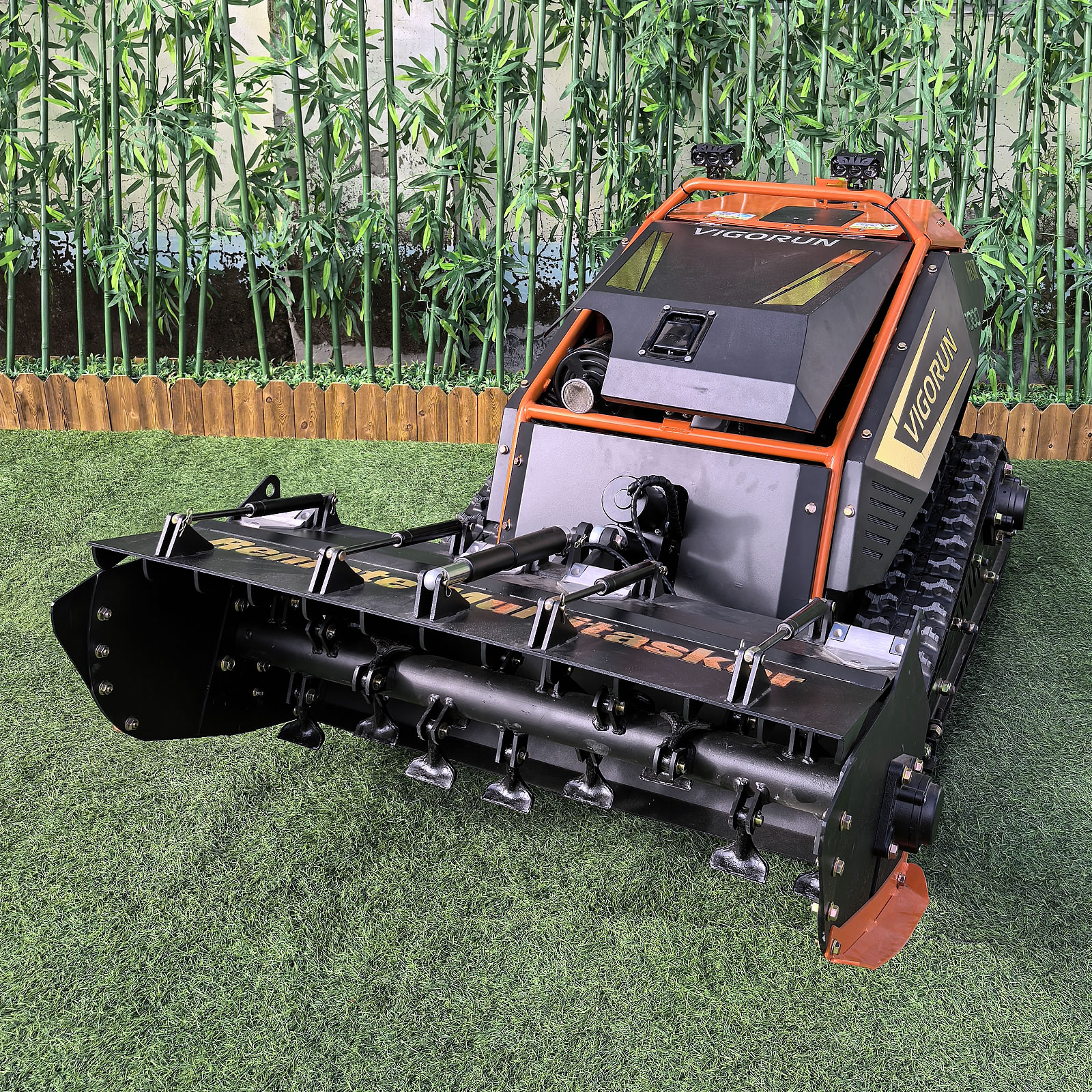
Versatile Applications and Enhanced Control
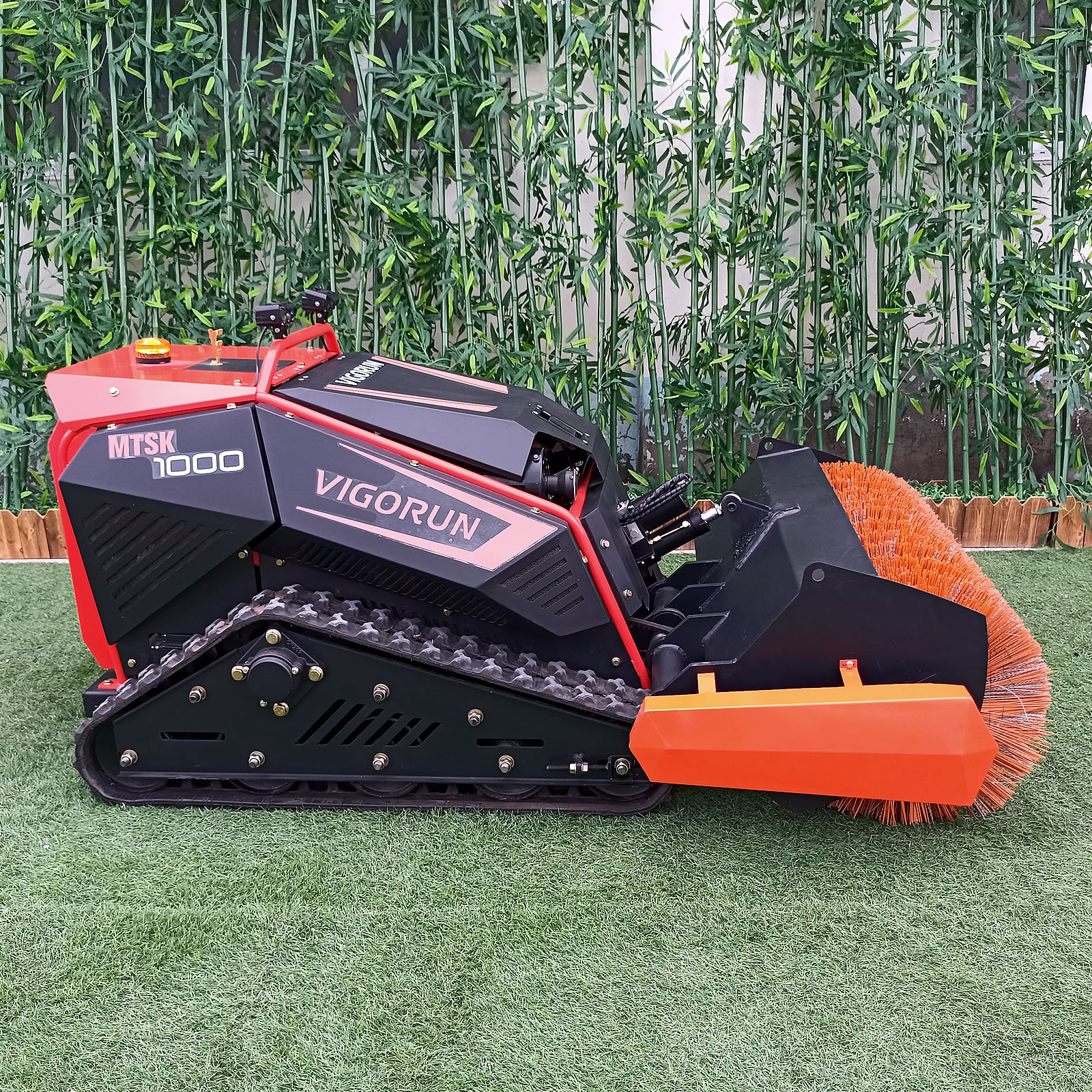 The versatility of the CE EPA strong power low power consumption rubber track unmanned flail mower is remarkable. It is equipped with two 48V 1500W servo motors that provide strong climbing power, making it adept at handling various terrains. The high reduction ratio from the worm gear reducer multiplies the already formidable torque of the servo motors, delivering immense output torque for climbing resistance.
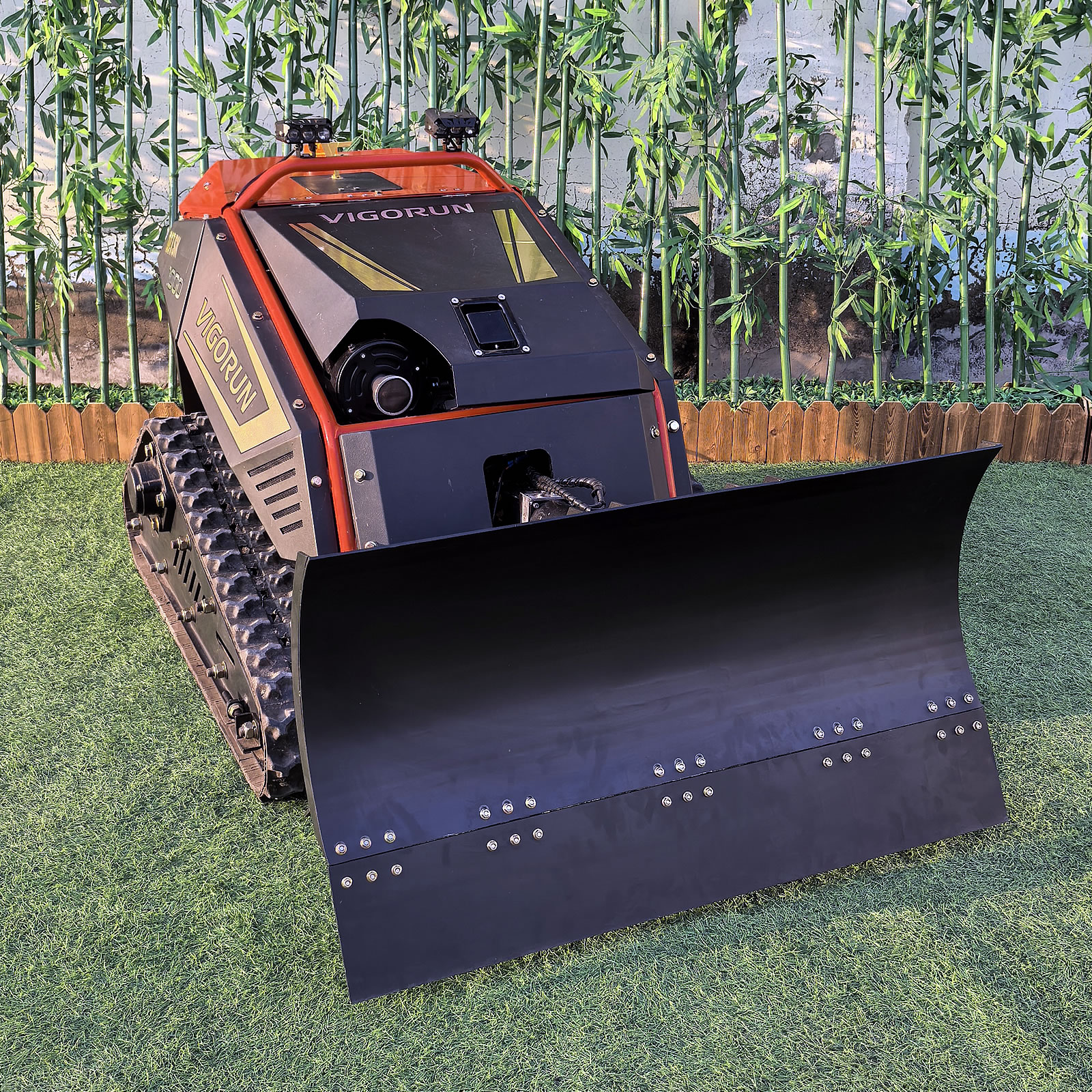 In addition, the intelligent servo controller plays a crucial role in regulating motor speed and synchronizing the left and right tracks. This innovative technology allows the mower to travel in a straight line, minimizing the need for constant remote adjustments. This feature not only reduces operator workload but also lowers risks associated with overcorrection on steep slopes, enhancing overall safety during operation.