Table of Contents
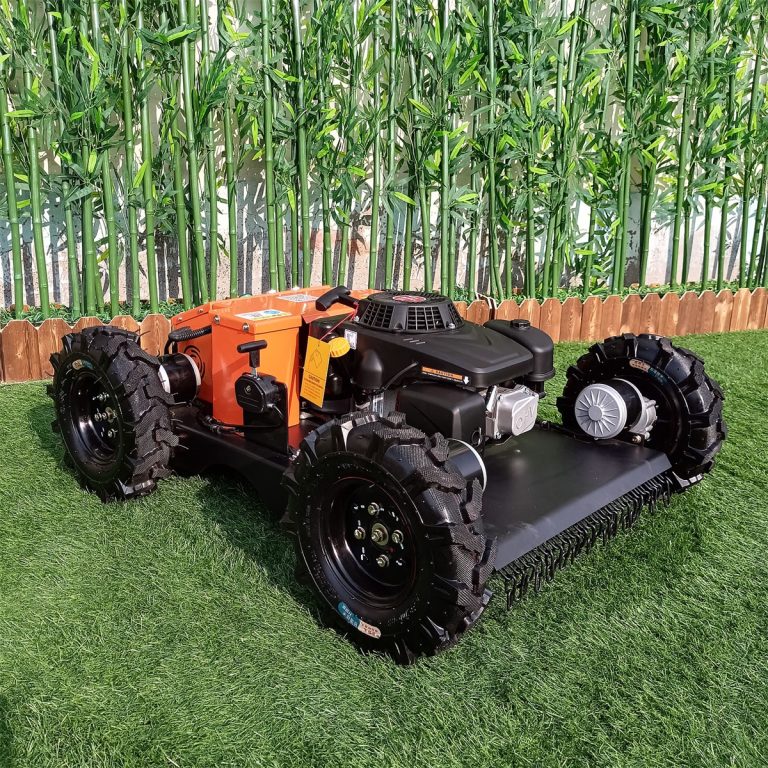
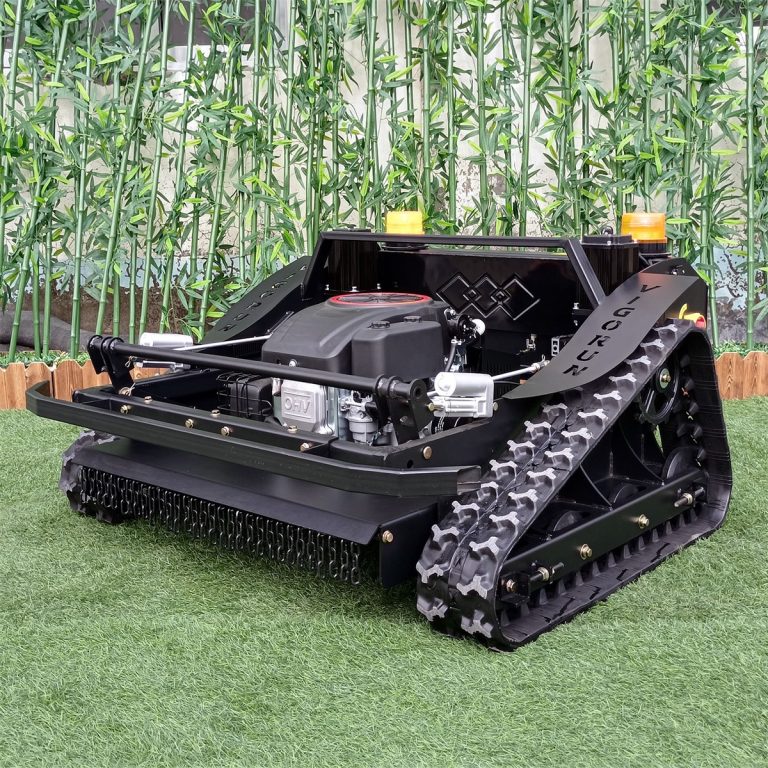
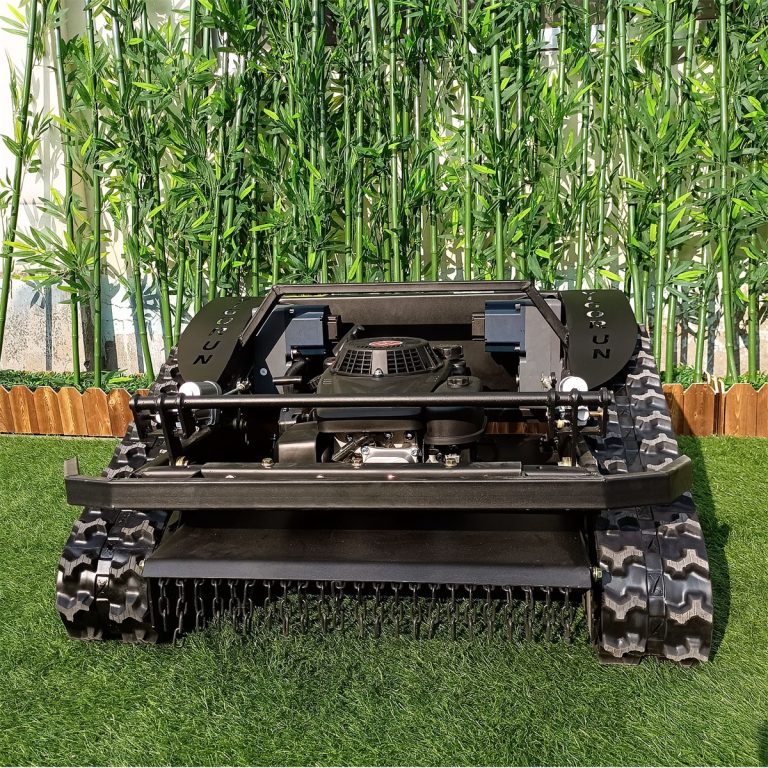
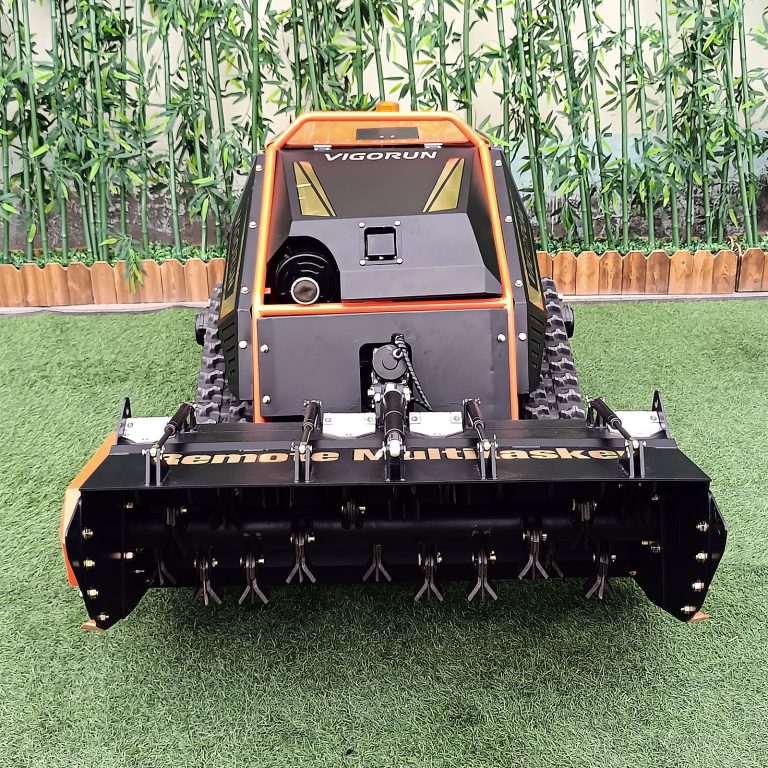
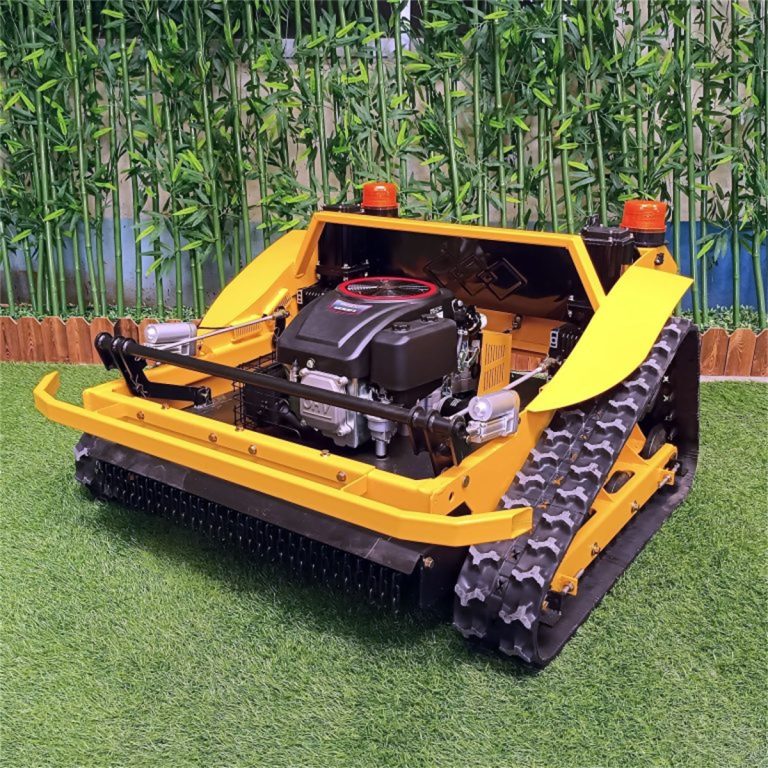
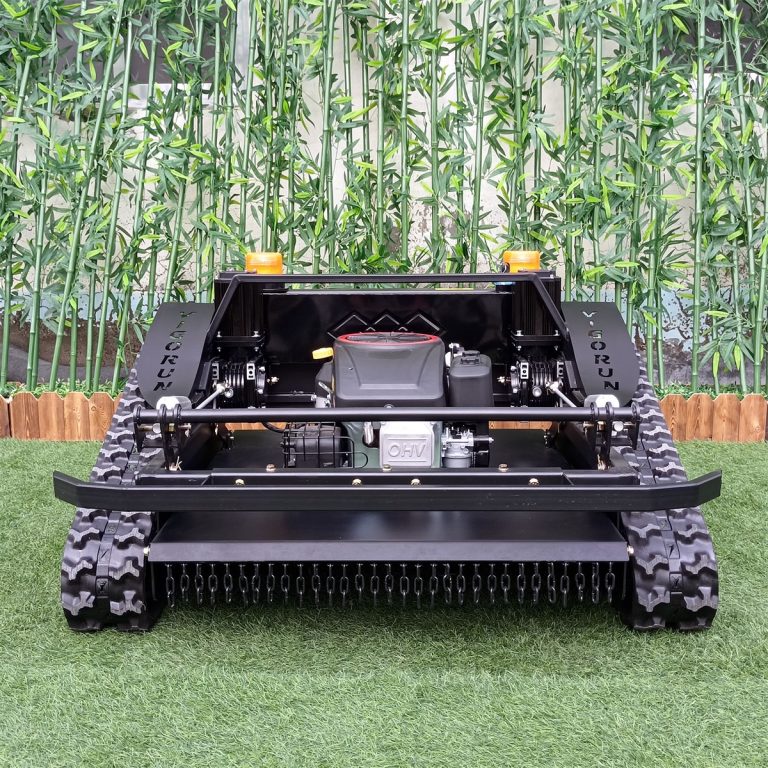
A CE EPA EURO 5 benzinmotorjának állítható vágási magasságának áttekintése, Tracked Remote Munke Művelt Slasher fűnyíró
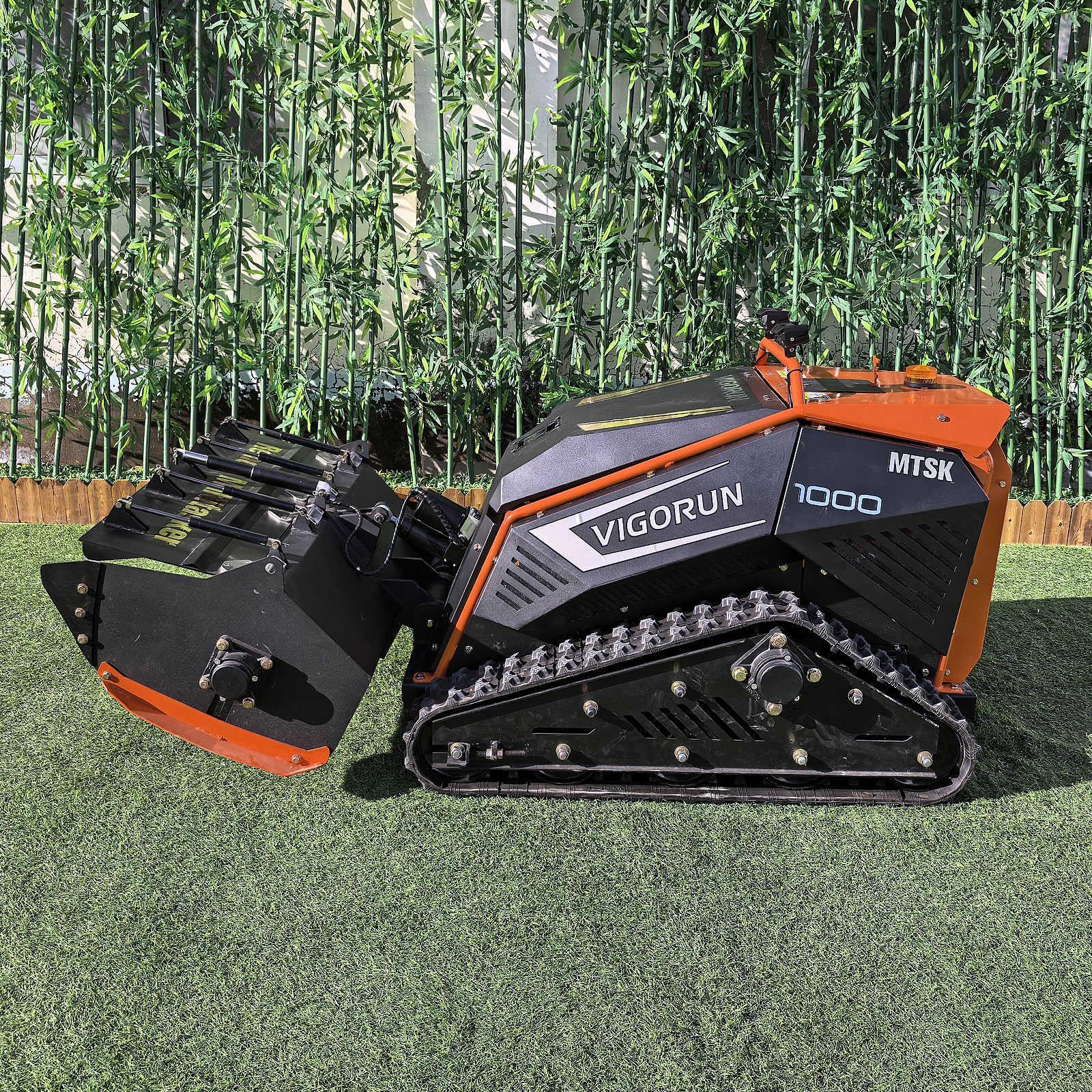
Teljesítményjellemzők és biztonsági mechanizmusok
A féregfegyver -reduktor magas redukciós aránya megsokszorozza a szervo motor nyomatékát, és hatalmas kimeneti nyomatékot biztosít, amely nélkülözhetetlen a kihívást jelentő terepek leküzdéséhez. Ezenkívül a féreg- és fogaskerekes mechanizmus mechanikus önzárási képessége is biztosítja, hogy a fűnyíró ne csúszjon lefelé, megerősítve mind a biztonságot, mind a következetes teljesítményt.
Az intelligens szervo-vezérlő kulcsszerepet játszik a felhasználói élmény javításában a motor sebességének és a bal és a jobb oldali szinkron szinkronizálásának pontos szabályozásában. Ez lehetővé teszi a sima, egyenes vonalú utazást, anélkül, hogy állandó beállításokra lenne szükség, ezáltal csökkentve a kezelő munkaterhelését és minimalizálva a túljavításhoz kapcsolódó kockázatokat, különösen a meredek lejtőkön.
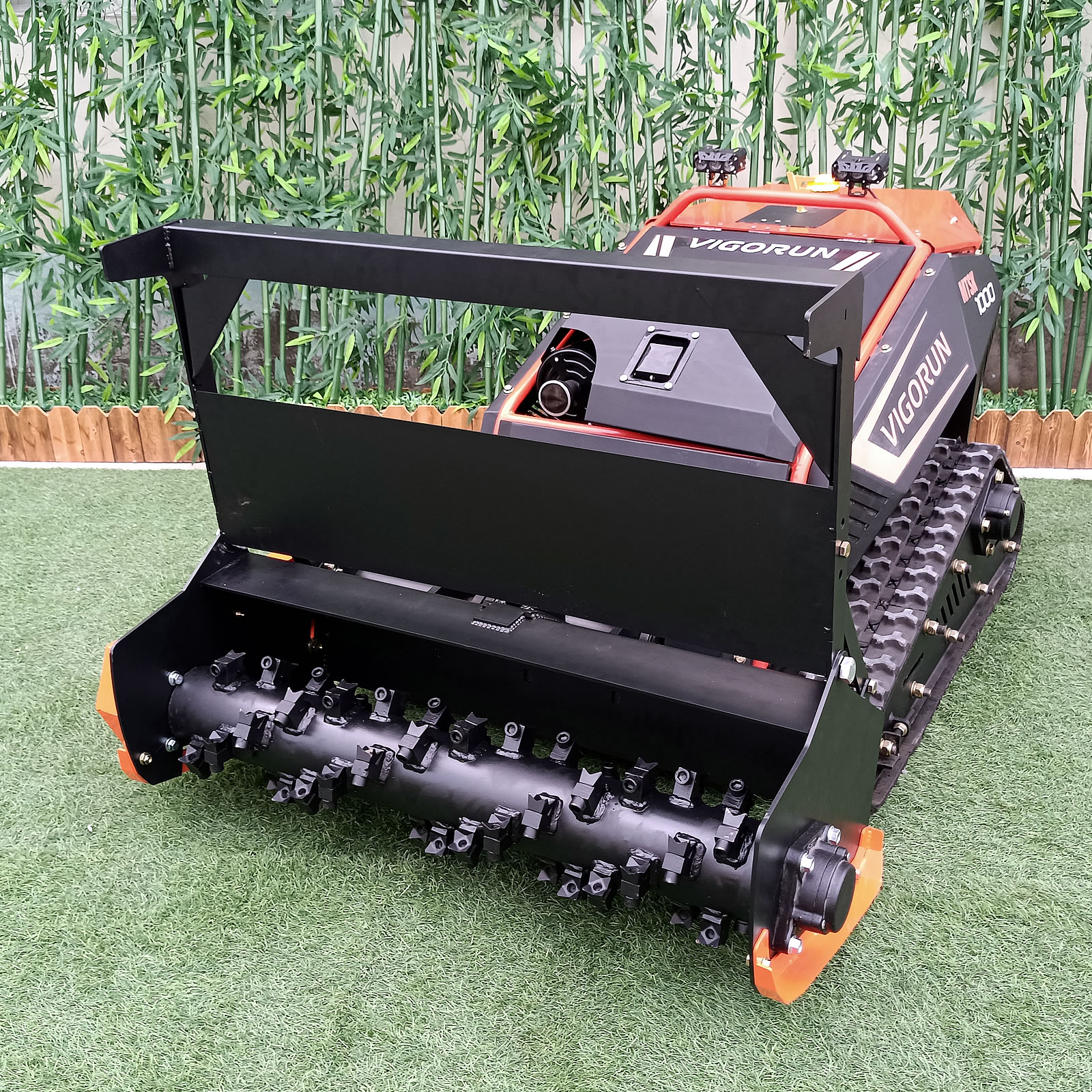
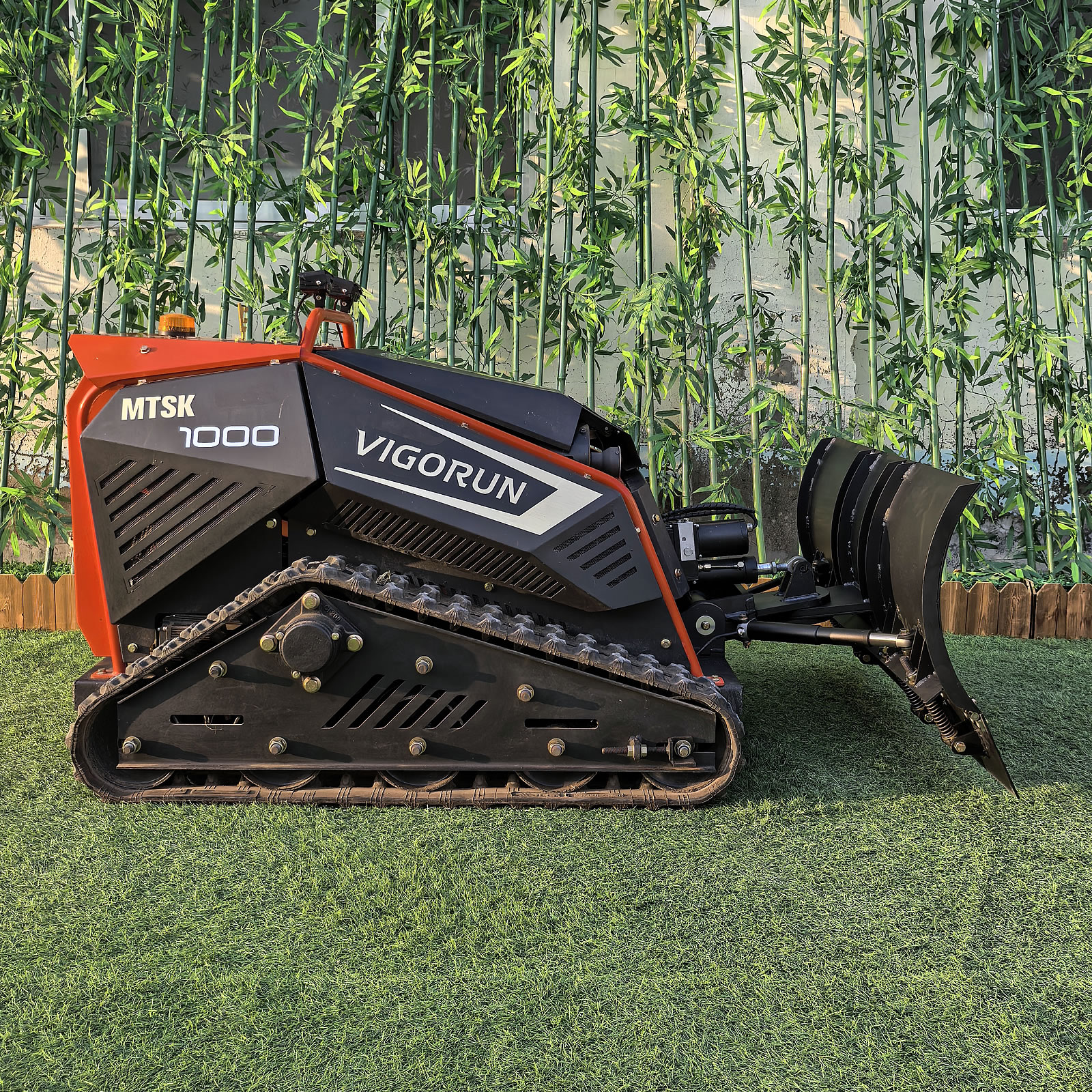
This innovative mower is designed with two powerful 48V 1500W servo motors, providing substantial torque for climbing steep inclines. The built-in self-locking function guarantees that the machine remains stationary when both power is off and throttle is not applied. This critical safety feature effectively prevents any unintended sliding, allowing operators to focus entirely on their task without worrying about the machine’s stability.
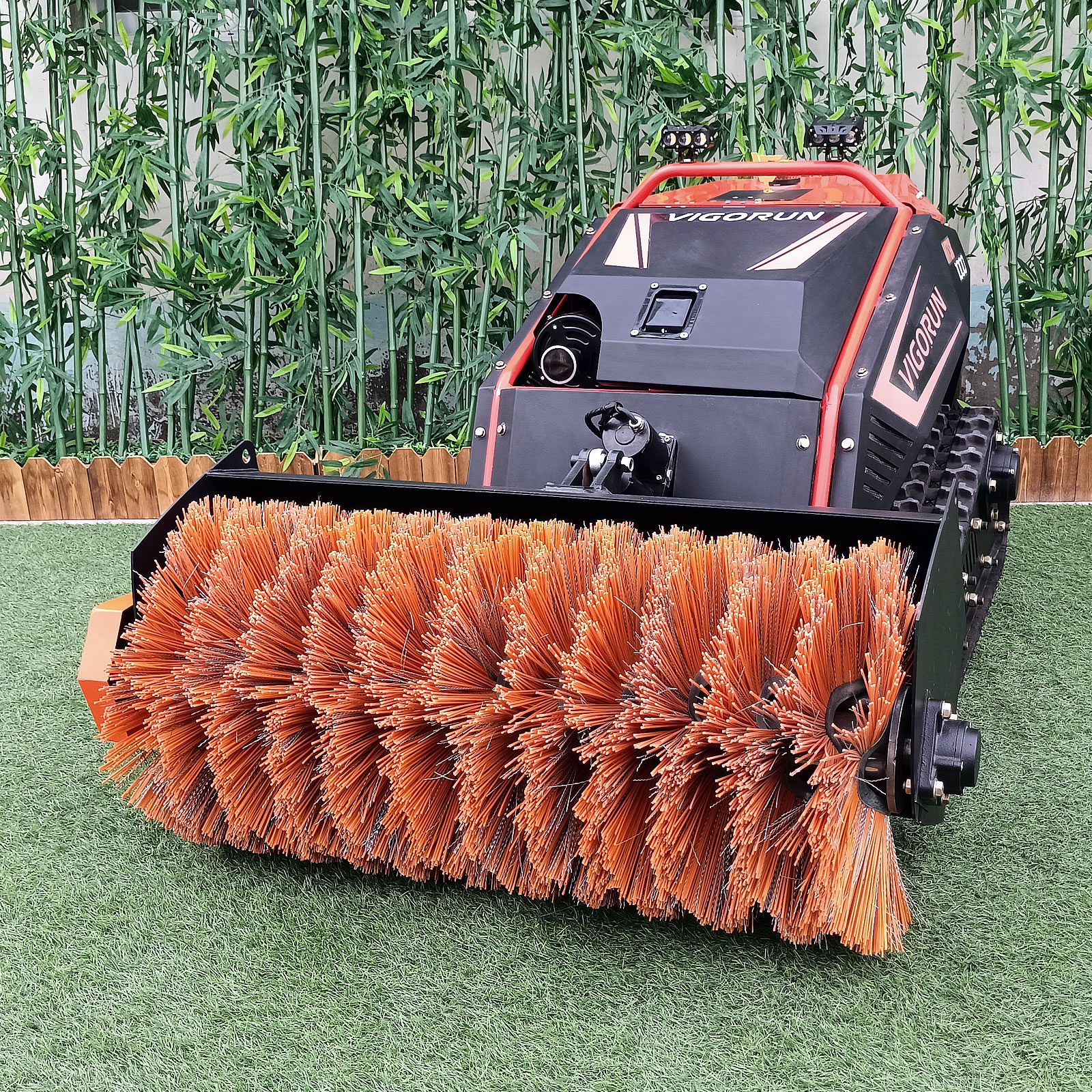
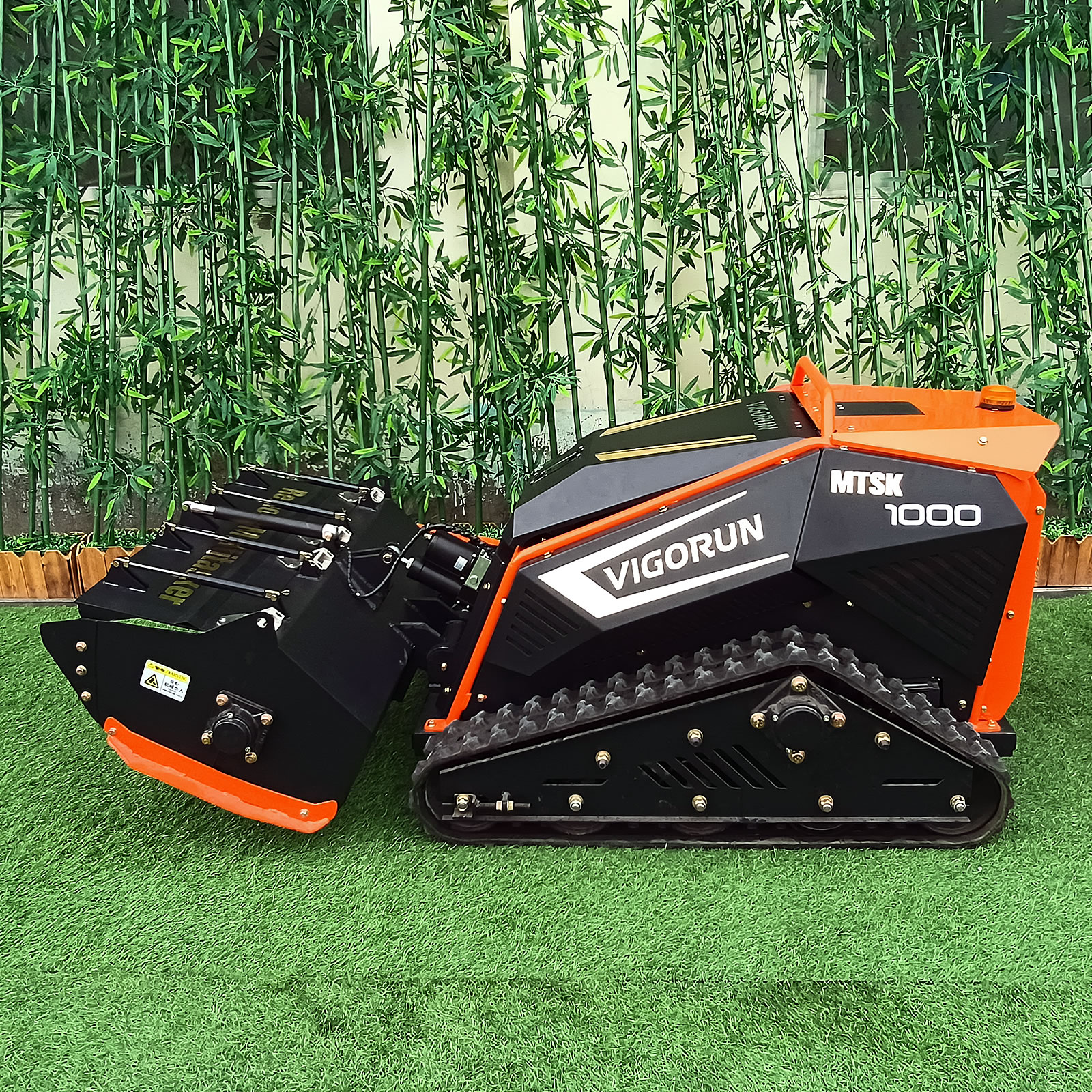
The high reduction ratio of the worm gear reducer multiplies the servo motor torque, delivering immense output torque essential for overcoming challenging terrains. Additionally, even in a power-off state, the mechanical self-locking capability of the worm and gear mechanism ensures that the mower does not slide downhill, reinforcing both safety and consistent performance.
The intelligent servo controller plays a pivotal role in enhancing the user experience by precisely regulating motor speed and synchronizing the left and right tracks. This allows for smooth, straight-line travel without the need for constant adjustments, thereby reducing operator workload and minimizing risks associated with over-correction, particularly on steep slopes.